

Master Your Daily Nutritional Requirements
Understanding what your body needs each day is the foundation of sustainable health. This comprehensive guide explores the essential nutrients, caloric intake, macronutrients, and micronutrients that support a man's optimal performance and longevity.
Whether you're focused on muscle development, energy maintenance, or overall wellness, we provide evidence-based information to help you make informed nutritional choices tailored to your unique lifestyle.
The information on this site is for educational purposes only and does not constitute medical advice. Always consult a qualified healthcare professional before making health decisions.
Essential Nutritional Framework
A man's daily nutritional needs encompass multiple dimensions. Our editorial content breaks down each component to help you build a sustainable eating strategy.
Caloric Intake
Average adult men require between 2,400 to 3,000 calories daily, depending on age, activity level, and metabolic rate. Understanding your individual baseline helps guide portion sizes and meal timing for sustained energy.
Protein Requirements
Men need approximately 0.8 to 1.0 grams of protein per kilogram of body weight for basic maintenance. Those engaged in strength training may benefit from higher intakes to support muscle development and recovery.
Micronutrient Balance
Essential vitamins and minerals—including zinc, magnesium, selenium, and B vitamins—play critical roles in energy metabolism, immune function, and hormonal regulation throughout the day.
Hydration Standards
Daily fluid intake recommendations range from 8 to 15 cups depending on climate, activity level, and individual physiology. Proper hydration supports cognitive function, recovery, and physical performance.
Fiber & Carbohydrates
Men should consume 25 to 35 grams of dietary fiber daily and obtain 45 to 65 percent of calories from complex carbohydrates. These support digestive health, steady energy, and metabolic efficiency.
Healthy Fats
Approximately 20 to 35 percent of daily calories should come from fats, emphasizing omega-3 fatty acids, monounsaturated fats, and limiting saturated fat. Essential for hormone production and nutrient absorption.
Why Choose Wellmalechoice
Our editorial mission focuses on delivering science-backed, practical information for men who want to optimize their nutritional choices.
Evidence-Based Content
Our articles are based on established nutritional science principles and public health guidelines.
Practical Application
We translate complex nutritional science into actionable steps, meal strategies, and daily habits you can implement immediately.
No Commercial Bias
This platform remains independent and editorial, prioritizing reader education over product promotion or affiliate interests.
Personalization Guidance
Rather than one-size-fits-all advice, we help you understand how to adapt nutritional recommendations to your age, goals, and lifestyle.

Daily Nutritional Planning Steps
Follow this strategic framework to establish a sustainable, balanced approach to meeting your daily nutritional requirements.
Calculate Your Caloric Baseline
Determine your Basal Metabolic Rate (BMR) using standard formulas or online calculators. Multiply by your activity factor (sedentary, lightly active, moderately active, very active) to find your total daily energy expenditure. This personalized number becomes your foundation for all subsequent nutritional planning.
Set Macronutrient Targets
Distribute your daily calories across protein (1.0-1.6g per kg bodyweight), carbohydrates (5-7g per kg for moderate activity), and fats (20-35% of total calories). Adjust these ratios based on your specific goals—muscle development may favor higher protein, while endurance athletes benefit from increased carbohydrate allocation.
Plan Nutrient-Dense Meals
Build meals around whole foods—lean proteins, colorful vegetables, whole grains, healthy fats, and legumes. Ensure each meal includes a protein source, complex carbohydrate, and healthy fat. This approach naturally delivers essential micronutrients while maintaining satiety and sustained energy throughout the day.
Track, Review & Adjust
Monitor your intake using nutrition apps or food journals for 1-2 weeks. Assess energy levels, performance, and physical changes. Use this data to fine-tune portion sizes, meal timing, and food choices. Remember that nutritional needs shift with seasons, training intensity, and life circumstances—regular review ensures your plan remains optimal.
Featured Food Sources
Explore nutrient-dense foods that support a man's daily nutritional requirements across all macro and micronutrient categories.

Lean Proteins
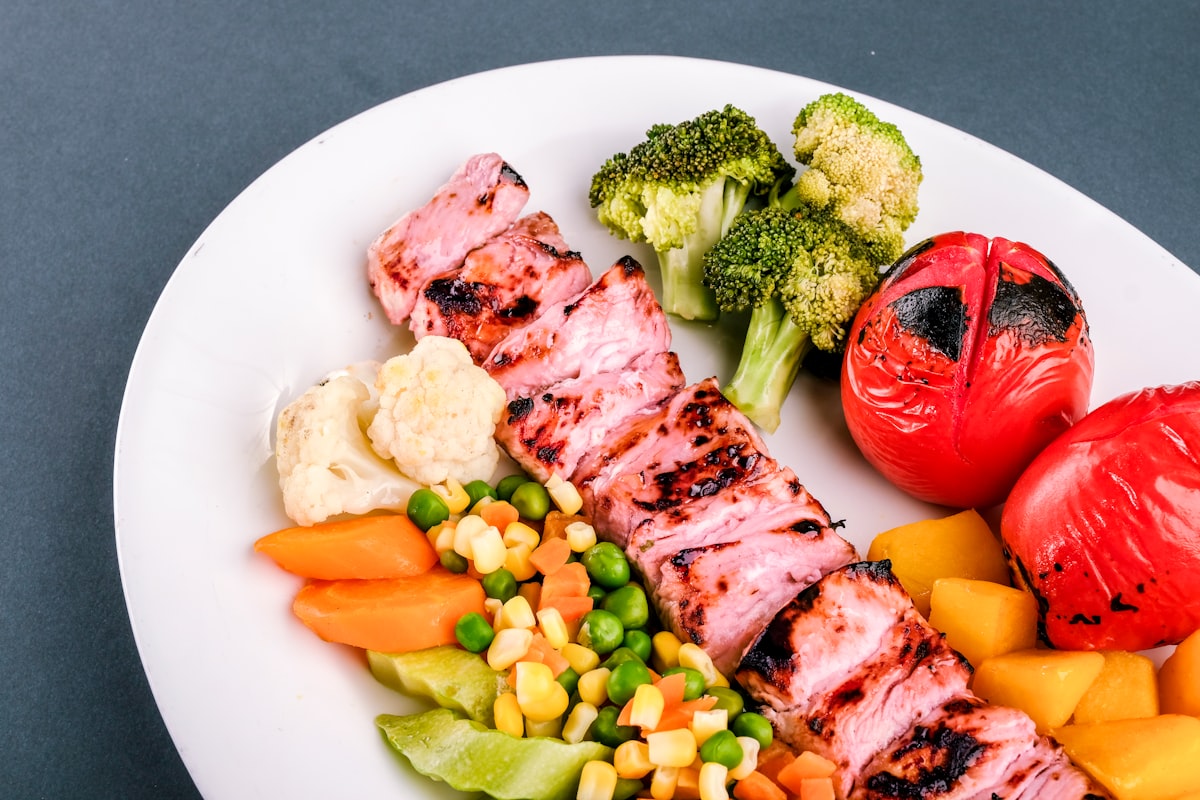
Chicken breast, fish, lean beef, turkey, and Greek yogurt provide high-quality protein with minimal saturated fat, supporting muscle development and recovery.
Whole Grains
Brown rice, oats, quinoa, and whole wheat bread deliver complex carbohydrates, fiber, and B vitamins for sustained energy and digestive health.

Healthy Fats
Avocados, nuts, seeds, olive oil, and fatty fish rich in omega-3s support hormone production, nutrient absorption, and cardiovascular health.

Vegetables & Fruits
Colorful produce—spinach, broccoli, berries, citrus—supplies vitamins, minerals, antioxidants, and fiber while remaining calorie-efficient.

Legumes & Pulses
Beans, lentils, and chickpeas offer plant-based protein, fiber, and micronutrients, making them economical, sustainable alternatives to animal sources.

Dairy & Alternatives
Milk, cheese, and yogurt provide calcium and protein; plant-based options like soy and almond beverages offer comparable nutritional profiles.
Reader Experiences & Insights
This resource completely shifted how I approach my daily meals. Instead of guessing, I now understand my caloric needs and macro targets. The practical steps made everything so manageable. I've noticed better energy levels and more consistent performance in my workouts within just a few weeks of following these guidelines. *Individual results may vary.
Rudi Hartono
Jakarta, Indonesia
As someone who travels frequently, I struggled with consistent nutrition. The article about adapting meals to different situations was invaluable. Now I can maintain my protein intake and hydration even when traveling, and I feel the difference in my overall wellness and mental clarity.
Budi Santoso
Surabaya, Indonesia
What impressed me most was the evidence-based approach. No hype, no unnecessary supplements pushed—just solid information about whole foods and balanced eating. The framework for calculating my personal caloric baseline took the guesswork out of nutrition for the first time.
Adi Prasetyo
Bandung, Indonesia
The micronutrient section answered so many questions I had about vitamins and minerals. I appreciated the honest explanation of what foods provide these essentials naturally. Combined with the hydration guidelines, this has become my go-to reference whenever I want to optimize my nutrition.
Doni Wijaya
Medan, Indonesia
Explore More Nutritional Insights
Discover comprehensive articles on daily nutritional requirements, meal planning strategies, nutrient timing, and answers to common questions about men's nutrition.
Frequently Asked Questions
The recommended dietary allowance (RDA) for protein is 0.8 grams per kilogram of body weight for sedentary men. However, men who engage in resistance training or sports may benefit from 1.2 to 1.6 grams per kilogram to support muscle recovery and adaptation. For example, a 75-kilogram man would need approximately 60 grams daily for basic maintenance, or 90-120 grams if training regularly.
The average adult man requires 2,400 to 3,000 calories daily, though this varies significantly with age, activity level, and metabolism. Younger, more active men may need 3,000+ calories, while sedentary men over 50 may thrive on 2,200-2,400. The most accurate approach involves calculating your personal Basal Metabolic Rate using the Mifflin-St Jeor equation, then multiplying by your activity factor to determine your individual total daily energy expenditure.
A common guideline is 8-10 cups (2-2.5 liters) daily, though individual needs vary with climate, activity, diet, and health status. The National Academies of Sciences, Engineering, and Medicine suggests 15.5 cups for men, adjusting upward for exercise and warm climates. A practical approach is monitoring urine color—pale yellow indicates adequate hydration—and drinking more during and after physical activity.
Key micronutrients include zinc (supports immune function and testosterone), magnesium (bone health and energy metabolism), selenium (antioxidant protection), vitamin D (bone and immune health), B vitamins (energy production and nervous system), and iron (oxygen transport). Men generally need 8 mg iron daily (compared to 18 mg for pre-menopausal women). Most of these are adequately supplied through a varied whole-food diet emphasizing lean proteins, vegetables, nuts, and whole grains.
Absolutely. Sedentary men require minimal adjustment above their BMR, while lightly active men (exercise 1-3 days weekly) multiply BMR by 1.375. Moderately active men (3-5 days) use 1.55, very active men (6-7 days) use 1.725, and extremely active individuals use 1.9. Additionally, high-intensity training increases protein needs, endurance activity may require more carbohydrates, and all athletes benefit from strategic timing of meals around workouts.
The Dietary Guidelines for Americans recommend 20-35 percent of daily calories from fat. This typically translates to 44-78 grams for a 2,000-calorie diet, adjusting upward for higher caloric intakes. Quality matters significantly—emphasize unsaturated fats from avocados, nuts, seeds, and fatty fish while limiting saturated fat to under 10 percent of calories. Avoid trans fats entirely. These lipids are essential for hormone production, cell structure, vitamin absorption, and satiety.